Jory MacKay on December 10, 2025
 How to do project capacity planning (the right way)
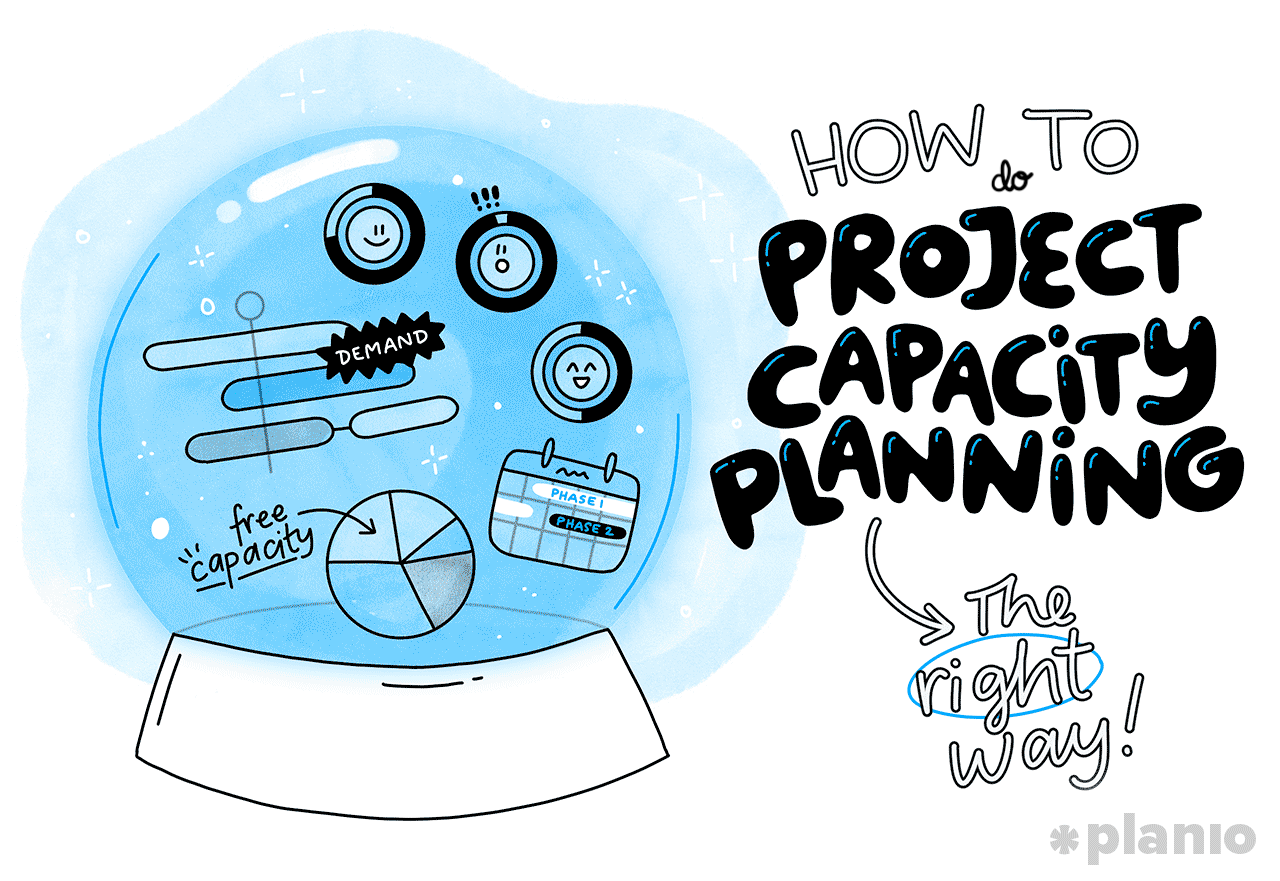
In an ideal world, every project would have the exact amount of resources needed to be successful. But every project manager and team leader knows this is rarely the case.
Resources — whether people, budget, or technology — can be fleeting, with multiple teams often vying for the same resources at the same time. The best leaders recognize just how much a lack of resources can become a risk to their project’s success and put systems in place to ensure they get access to the tools they need to succeed.
Capacity planning is a systematic process used to forecast demand and plan the resources you need ahead of time.
While it can take time to set up a proper capacity planning program, that initial investment can pay you multiples back in planning time, successful launches, and ongoing cost optimizations.
Jump to a section:
In this post, we’ll dig into what capacity planning is, the different approaches you can take, and how to continuously manage it throughout any project.
What is capacity planning?
Capacity planning is a systematic way to forecast demand and plan the resources you need ahead of time.
In practice, it’s a series of processes used to understand stakeholder needs, convert those needs into resource requirements, and then take action to match those resources to your team’s capacity.
We’ll go into more details about how to perform capacity planning below, but for now you can think of it like this:
Capacity planning ensures you have the RIGHT resources, of the RIGHT quantity, at the RIGHT time.
But, when we talk about “resources,” what do we mean?
Despite what you may believe, resources aren’t just people — they can also include:
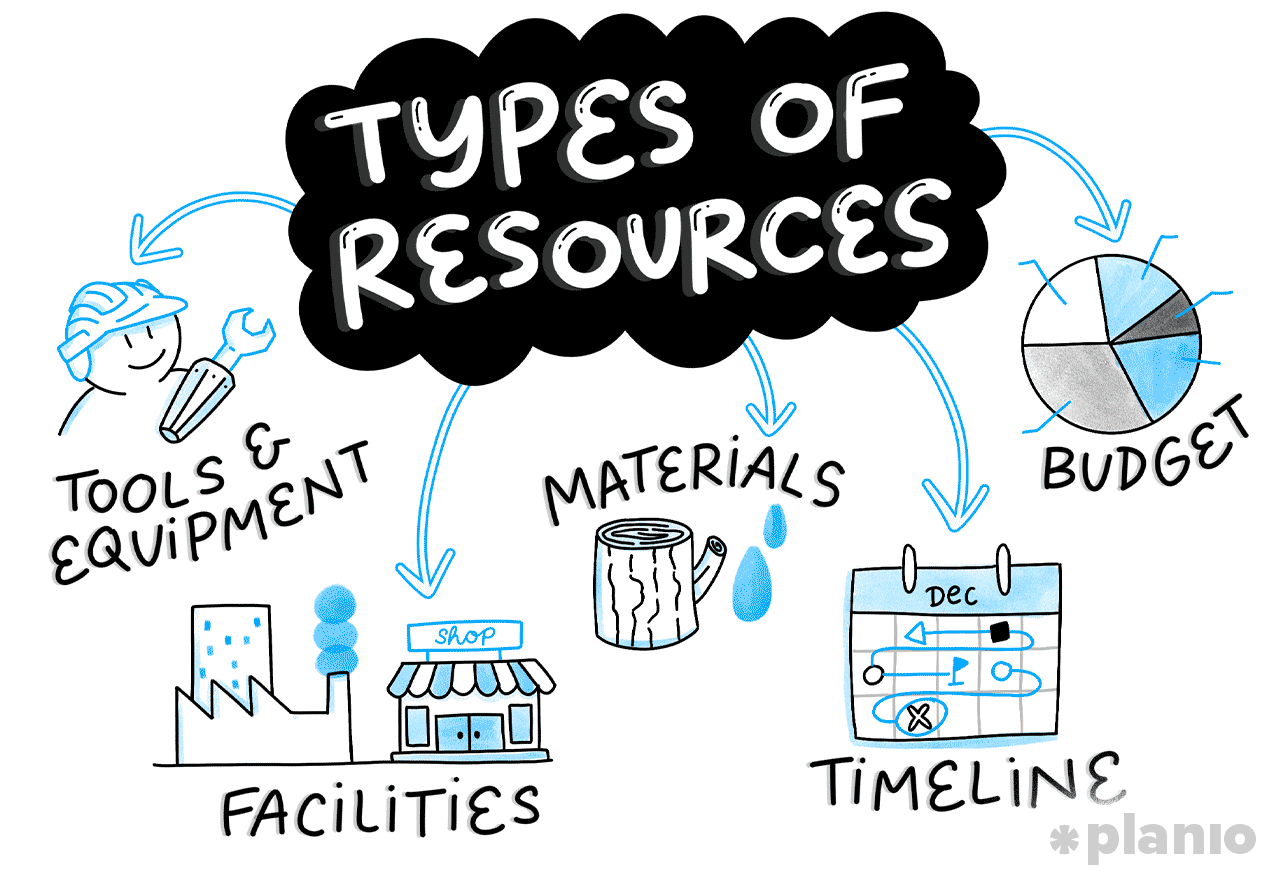
- Materials: Most things aren’t made from thin air. Especially in construction and manufacturing projects, material resources include wood, paper, metal, and even natural minerals and water.
- Tools and equipment: Hardware, software, and machinery required to build/make project outputs. This could be anything from plant machinery through to software licenses and computers.
- Facilities: The physical spaces project teams need to do their work, like meeting rooms, workshops, warehouses, or specialized science labs.
- Budget: The financial resources allocated to the project to cover all expenses, from salaries to material costs.
- Timeline: Schedules and due dates can also become resources, especially when dealing with cross-functional projects that require careful planning and execution.
Capacity planning requires taking a high-level view of your project to deeply understand your needs — and what resources will be required to get you over the finish line.
The 6 biggest benefits of capacity planning
Beyond just helping you better plan for your project’s needs, capacity planning can change your team’s mindset and unlock productivity.
Here are a few of the biggest benefits of capacity planning:
- Prepares you for uncertainty. Capacity planning gives you a forward-looking view of demand and helps you anticipate future bottlenecks before they become critical issues.
- Increases predictability, reliability, and confidence. When you know what’s coming and what you can realistically achieve, you can set more accurate deadlines and deliver on your promise to stakeholders.
- Minimizes project costs. Resources are costly. To stay on budget, you need to optimize how you use them. Proper planning helps avoid unnecessary costs such as hiring last-minute freelancers, paying for rush orders, or dealing with the fallout from project delays.
- Improves team morale. A well-paced workload prevents burnout and shows your team that their well-being is a priority. Happy teams are productive teams.
- Supports strategic goals. Having the capacity to do all of your important work is essential for meeting strategic goals. When you get capacity planning right, your most valuable resources (your people) are allocated to the projects that deliver the most value to the business.6. Facilitates better decision-making. Lastly, a clear view of capacity and demand enables you to make informed choices about which projects to take on, delay, or decline. Making data-driven decisions is better for everyone, taking the emotion out of tough decisions and strengthening project-client relationships.
Capacity planning vs. resource management
The terms “capacity planning” and “resource management” are often used interchangeably. While they’re heavily linked, they are two distinct disciplines, so it’s important to understand exactly what each of them are.
Put simply: Capacity planning is about the big picture and the long term, while resource management (or resource allocation) is a more tactical action, focused on the here and now.
| Capacity planning | Resource management | |
|---|---|---|
| What is it? | A systematic way to forecast demand and plan the resources you need ahead of time. | The practice of planning, scheduling, and allocating resources to a project or program. |
| Level | Strategic | Tactical |
| Timeframe | Quarters and years | Weeks and months |
| What is it for? | Answering “What are our long-term resource requirements?” | Answering “Who is working on what right now, and are they being effectively used?” |
| When to do it? | As part of regular strategic planning | As part of project and program governance |
| Problems it solves | Prevents overcommitment, informs hiring decisions, and ensures long-term scalability. | Resolves scheduling conflicts, optimizes daily workload, and levels resources across projects. |
In practice, these two disciplines work together in harmony, with capacity planning typically informing resource management practices.
Let’s use an example of a creative agency to bring it to life:
- Their capacity planning process looks across the next six months of potential client work, identifying the need for an additional senior designer to meet the expected demand. This is a long-term, strategic decision.
- Then, resource management comes into play in the weekly projects review. Managers see that Designer A has some downtime on Wednesday, so they assign them a smaller task from another project to keep the workload balanced and the project moving.
Pro tip: You may also hear people using more specific terms like “workforce capacity planning” or “budget capacity planning.” These disciplines often fall out of, or are a part of, capacity planning, with workforce focusing on people and budget focusing on overall costs as part of the project management triple constraint.
4 common approaches to capacity planning
Once you’ve identified your capacity requirements, there are typically four common ways you can approach resourcing to meet them.
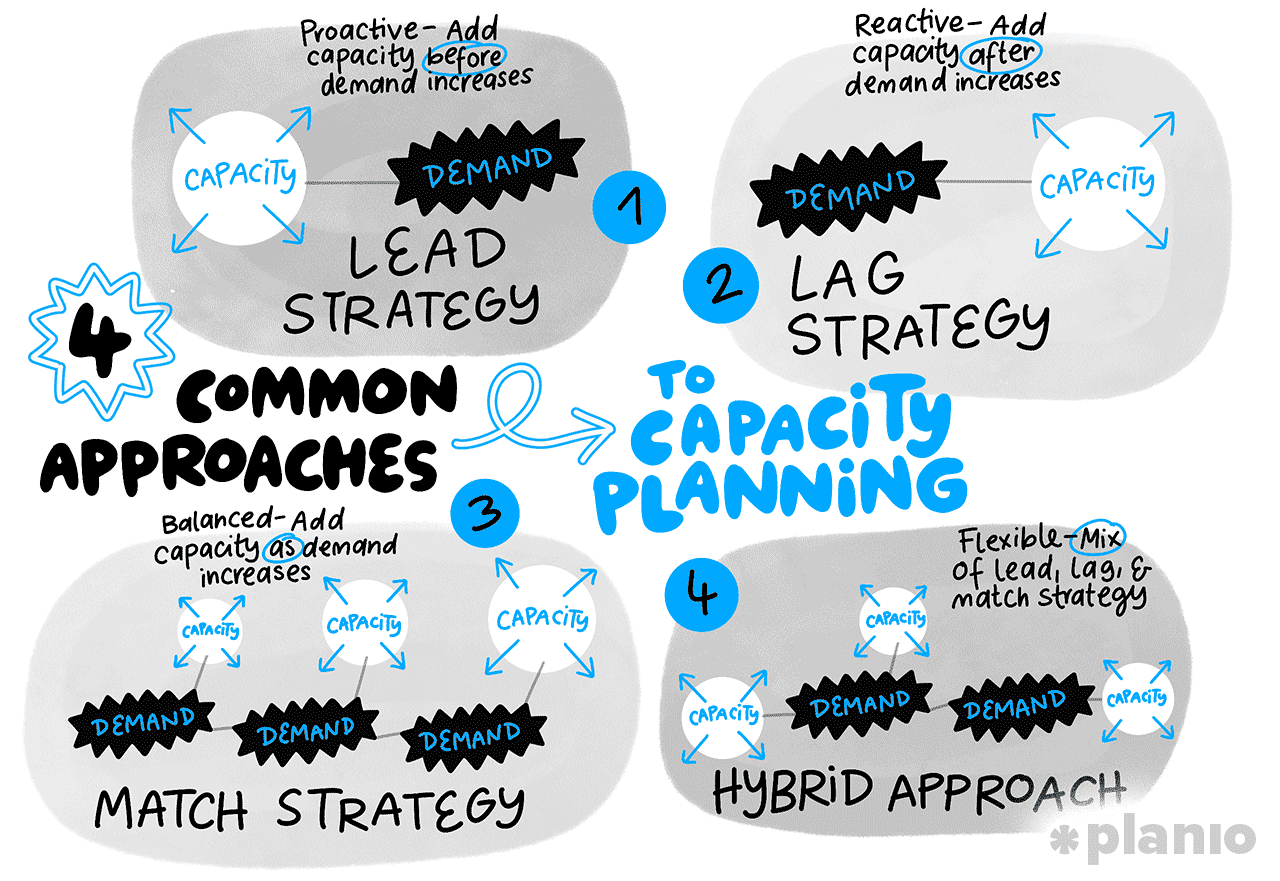
1. Lead strategy (proactive)
A Lead strategy involves adding capacity before demand increases. It’s an aggressive, forward-thinking approach based on anticipating future growth and having the budget available to act early.
Best for: Businesses in high-growth industries or those preparing for a major product launch. It’s ideal when the cost of not meeting demand is higher than the cost of having idle resources.
Example: A software company plans to launch a major new feature in six months, and they anticipate a huge spike in customer support tickets. Using a lead capacity planning strategy, they hire and train three new support agents three months before the launch.
2. Lag strategy (reactive)
The Lag strategy is the opposite of the Lead strategy. You only add capacity after demand is proven to be there and your existing resources are stretched to their limit. It’s a more conservative and cost-conscious approach, but it risks employee burnout and impacting customer satisfaction.
Best for: Companies in stable or slow-growth markets, or those with tight budget constraints. It minimizes the financial risk of investing in resources that might not be needed.
Example: An e-commerce business sees a steady increase in orders over a three-month period. Their fulfillment team is now working overtime consistently to keep up. Seeing this sustained demand, the operations manager gets approval to hire two new warehouse staff. They waited until the need was undeniable before investing.
3. Match strategy (balanced)
The Match strategy is a more moderate approach, where you gradually add capacity in small increments as demand grows. It aims to align resources and demand as closely as possible.
Best for: Organizations that experience predictable, steady growth. It offers a balance between the risk of the Lead strategy and the potential service disruption of the Lag strategy.
Example: A digital marketing agency is consistently signing one new client per month. Instead of hiring a full-time employee upfront (Lead) or waiting until everyone is burnt out (Lag), they use a match strategy. They start by bringing in a trusted freelancer for 10 hours a week. Then, as the client base grows, they slowly increase the freelancer’s hours until it makes sense to offer them a full-time position.
4. Hybrid approaches (flexible)
A hybrid (or adjustment) strategy involves combining elements of the above to fit the specific project context. This is often the most realistic approach for dynamic project environments.
Best for: Most project-based work, where different phases might have different levels of uncertainty.
Example: A construction company is building a new office block. They use a Lead strategy for the foundational work, hiring all the necessary groundworkers in advance because they know this phase is critical and can’t be delayed. However, for the interior finishing, they use a Match strategy, hiring specialist painters and electricians in small teams as each floor becomes ready, avoiding having expensive skilled labor sitting idle.
How to master the capacity planning process
Like most things in projects, having a structured process is key. Here are some common steps you can take to help you master capacity planning and decide which approach is best for your situation:
Map out your future business needs
Before you can plan your capacity, you need to know exactly what’s coming down the pipeline. For most organizations, this means regular sit downs with sales, marketing, or leadership teams to understand the pipeline of new clients or the upcoming strategic business aims.
Best practice tips:
- Work with stakeholders to understand the long-term business roadmap, diving into what is required, when, and if possible, the size and scale of individual work items.
- Take time to clearly understand the required quality standards. This will help you understand the ‘type’ of resources you need. For example, whether you can get away with hiring a junior developer vs. a more seasoned one.
Real-life example: John, the delivery director, sits down with the sales team to assess the pipeline for new website development clients. Given the organization’s growth objectives, the sales team is working hard to increase their pipeline, anticipating a 15% increase in activity from Q1 next year.
Assess current capacity
With a view of upcoming requirements identified, you need a clear picture of the resources you currently have available now. This involves measuring the bandwidth of your team, as well as the availability of the tools, facilities, materials, and budget they need to support them.
Best practice tips:
- Start by getting a clear understanding of the resources available today, whether that’s a clear picture of your team, current stock levels, or even utilization of key software licenses. For teams, combine it with a skills matrix so you know exactly what every team member specializes in.
- For people resources, reviewing things like timesheets is a great way to understand how much time your team spends on different types of work.
- Like you did with requirements capturing, make sure you focus on resource specification and quality, to know what level of resources you have at your disposal.
Real-life example: John takes a look over his current team to understand who he has at his disposal and how much capacity they have. In general, John has a junior team that is pretty busy, each managing multiple projects at a time. They’re also maximizing all of their current project management tool licenses, so they may need to increase that if more people come in.
Forecast future demand
With the requirements captured in the first step, you now need to convert that into real demand to answer the question of “do we have enough?” This looks different from sector-to-sector, with estimating people resources a little different from estimating materials.
Best practice tips:
- If you’re working in a project-based team, use data and lessons learned from past projects to make more accurate estimates.
- In the same vein, use your team to support the project estimation process. The people doing the work often have the best sense of how long it will take.
- Remember to factor in "non-project" work like meetings, training, admin, and team absences (holidays, sick leave). As such, don’t assume 100% availability, and instead, plan for 70-80% of a person’s time being available for project work.
Real-life example: With a 15% increase in sales demand, John estimates the team will likely end up with ~eight additional projects on the go at any one time. Looking back at their past work stack, in any eight projects, typically five of them are “large”, and need a dedicated project manager, while three are small, which could be covered by one PM alone.
Beyond just helping you better plan for your project’s needs, capacity planning can change your team’s mindset and unlock productivity.
Identify gaps and risks
Now it’s time to compare your future demand with your current capacity. While it would be great if the two matched, in most instances they don’t, with either too much or too little capacity.
Best practice tips:
- When completing your gap analysis, look for both quantity and quality gaps. You might have enough people, but do they have the right skills and experience?
- Prioritize your resource needs. If you can’t fill every gap, which ones are most critical to the project’s success?
- Document the consequences of not filling a gap. Will it delay the projects? Reduce the quality? This helps in making a business case for our next step.
Real-life example: By John’s math, he’ll need an additional six project managers to meet the 15% sales increase objectives. While most of John’s team are relatively junior, he believes bringing in at least two more senior project managers will make delivery faster, while also providing additional mentorship and support to junior team members.
Create an action plan
If you’ve identified any gaps, next you need to make an action plan to plug them. In most instances, this could involve hiring new staff, reallocating existing team members, purchasing tools, or even recommending adjusting the business roadmap.
Best practice tips:
- Evaluate multiple options to solve your problems. For example, could you cross-train an existing team member instead of hiring a new one? Could you buy used office furniture instead of new?
- Think about long-term solutions, not short term ones. Making a short-term, costly hire might solve an immediate problem but could create budget issues later.
- Work with stakeholders to develop options. This helps you check your own blind spots while also getting early buy in before formal decisions are made.
Real-life example: John suggests putting an advert out for two new senior project managers to join his team. This would mean they were up and running ahead of the project increase to avoid any delays (Lead strategy). He knows the other four junior roles are faster to hire, so he decides to hold off on those until the demand begins flowing through (Match/Lag strategy).
Monitor and adjust
Capacity planning is not a one-and-done activity — it’s an ongoing process that needs refining and adapting as things change. Regularly align with stakeholders on their requirements, adjust your capacity and demand equations, and take proactive actions to keep you ahead of the curve.
Best practice tips:
- Hold regular capacity review meetings (e.g., weekly or bi-weekly) to discuss current workloads and upcoming demand.
- Use project management software with real-time resource allocation to keep your demand and capacity in balance. This is where tools like Planio come in, as a central place to plan, store, and report on project work that’s in progress. On top of that, use Gantt charts and Kanban boards to create future product roadmaps that map out future, long-term requirements.
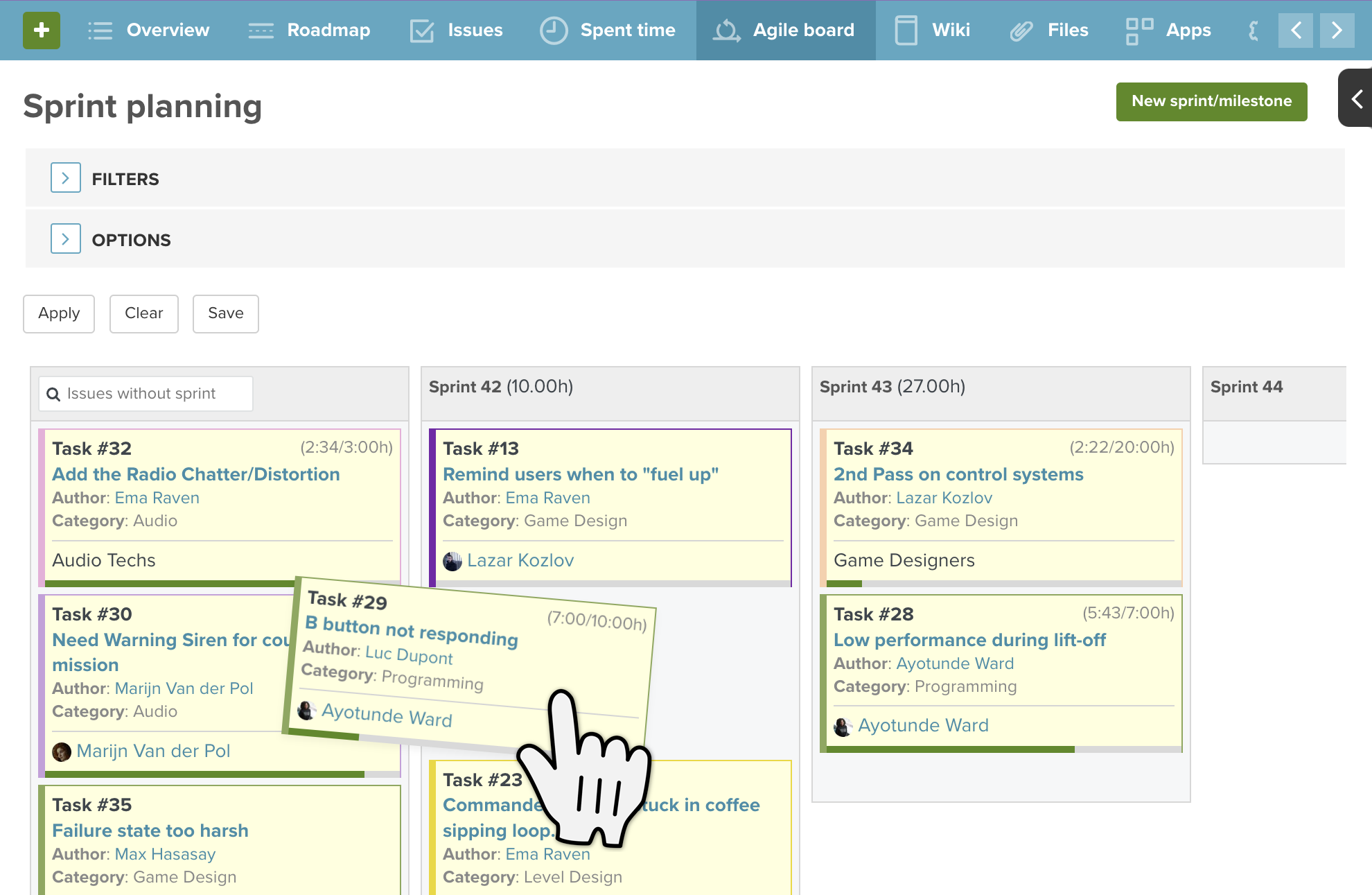
Real-life example: John sets up a monthly meeting with the sales team to keep on top of future requirements and pipelines. He uses Planio to show all the projects and tasks his team are working on, with reports showing how the team’s workload evolves and changes over time.
Common capacity planning mistakes to avoid
Capacity planning is an essential discipline for managing risks and delivering successful projects, but it’s not without its challenges.
Here are some common pitfalls to avoid:
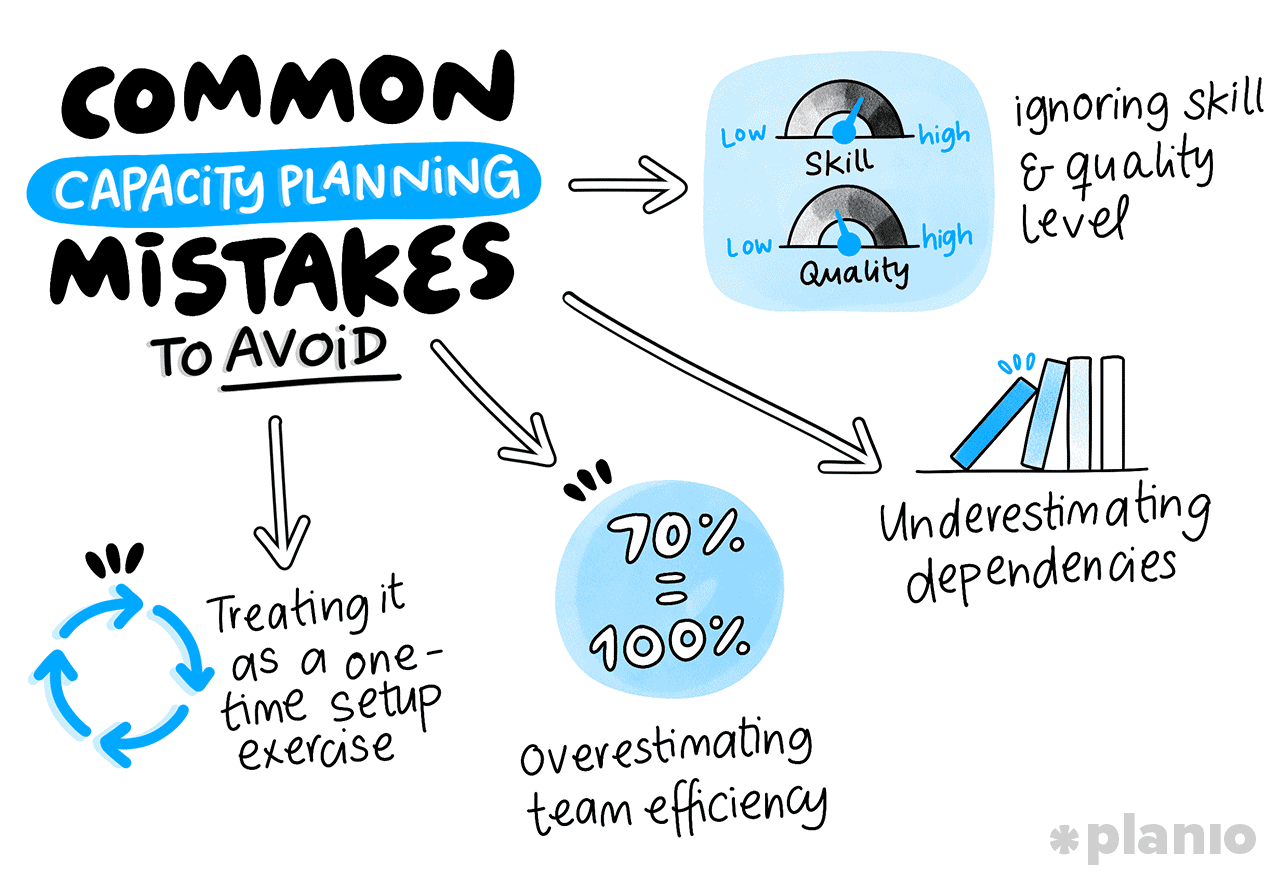
- Treating capacity planning as a one-time setup exercise. Proper capacity planning isn’t just a box to tick — it’s an ongoing process that ensures you have the right people, tools, and time to meet project demands without burning out your team.
- Overestimating team efficiency. Don’t assume your team members are productive robots. You must factor in meetings, admin, emails, and learning curves. Planning for 70-80% capacity is more realistic.
- Underestimating dependencies. A delay in one project can have a domino effect on others. Ensure you understand how different resource needs are connected across projects to spread your resources accordingly.
- Ignoring skill and quality levels. Assigning a junior team member to a senior-level task won’t work, even if they have the “capacity.” The same is true for material and facility quality, so don’t view resources as black and white.
With the right tools, it’s much easier to avoid common mistakes and level-up your capacity planning. Planio’s task tracking, reporting, and resource management features enable you to forecast, monitor, and adjust your capacity plans in real-time — keeping projects on track from start to finish.
Try Planio with your own team, free for 30 days (no credit card required!)