Jory MacKay on September 02, 2026
 How to write a creative strategy (with examples & template)
🎁 Bonus Material: Free Creative Strategy Template
Creative leaders face a unique challenge: Not only are you responsible for crafting beautiful designs and experiences (which are often judged subjectively by stakeholders), but also meeting larger business goals. All while staying true to your brand, tone, and design guidelines.
But big-picture business objectives and day-to-day creative execution don’ t have to be at odds with each other.
A creative strategy provides clarity, consistency, and purpose for your creative team and stakeholders, making it one of the best ways to avoid the issue of subjectivity in creative tasks.
In this article, we’ll walk through exactly what a creative strategy is and how you can build one for yourself today.
Jump to a section:
What is a creative strategy? What are they used for?
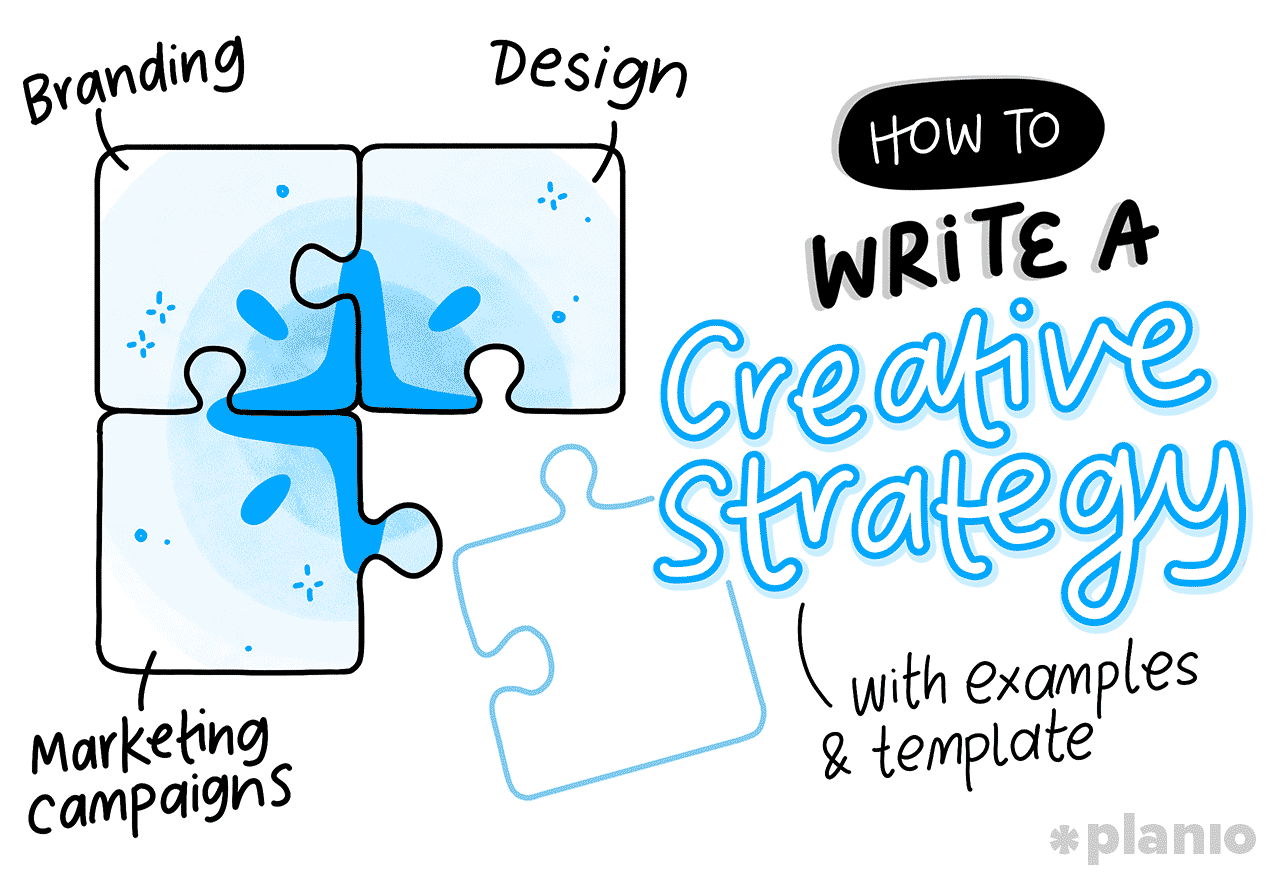
A creative strategy is a roadmap that outlines how creative work such as branding, marketing campaigns, and design, will communicate and deliver on business objectives.
A creative strategy is the “why” behind the “what” you’re creating — defining the message, audience, and desired outcome before a single design file is opened.
Creative strategies can be used at any level. An entire marketing department might create a strategy to guide their three-year vision, while creative agencies often craft strategies for each individual client project.
In both situations, the main benefit is the same: a single source of truth for everyone from designers to marketers and key stakeholders to align on the creative boundaries, define scope of work, and how the project will come to life.
As the legendary founder of DDB advertising agency, Bill Bernbach, once said: “It may well be that creativity is the last unfair advantage we’re legally allowed to take over our competitors.”
Beyond keeping everyone organized and on the same page, a creative strategy document has other major benefits, including:
- Connects creative decisions to measurable goals. A creative strategy formally links your team’s work to business results. This helps secure stakeholder buy-in and ensures your team’s contribution to the bottom line is recognized.
- Aligns cross-functional teams. A creative strategy gets everyone from design, marketing, product, and sales on the same page, ensuring a unified customer experience at every touchpoint.
- Guides ideation and production. It provides a clear framework for brainstorming and execution, preventing creative dead-ends and ensuring every asset produced serves a specific purpose.
- Creates a cohesive brand. Brands that maintain a consistent identity across all channels are better positioned to build lasting customer relationships. A creative strategy is the bedrock of that consistency.
- Saves time and money. With clear guardrails in place, you eliminate guesswork. This means fewer revisions, faster approvals, and more efficient use of your team’s valuable time, maximizing profit for those working on client-facing work.
- Empowers creative freedom. It might sound counterintuitive, but a clear strategy doesn’t stifle creativity, it enables it. By defining the problem, you give your team the freedom to find the most innovative solution within the right boundaries.
- Simplifies onboarding. New team members or agency partners can get up to speed quickly by digesting the creative strategy, ensuring their contributions are aligned from day one.
- Defends creative choices. When a stakeholder questions a creative decision, you can refer back to the agreed-upon strategy to explain the rationale, moving the conversation from subjectivity to strategy.
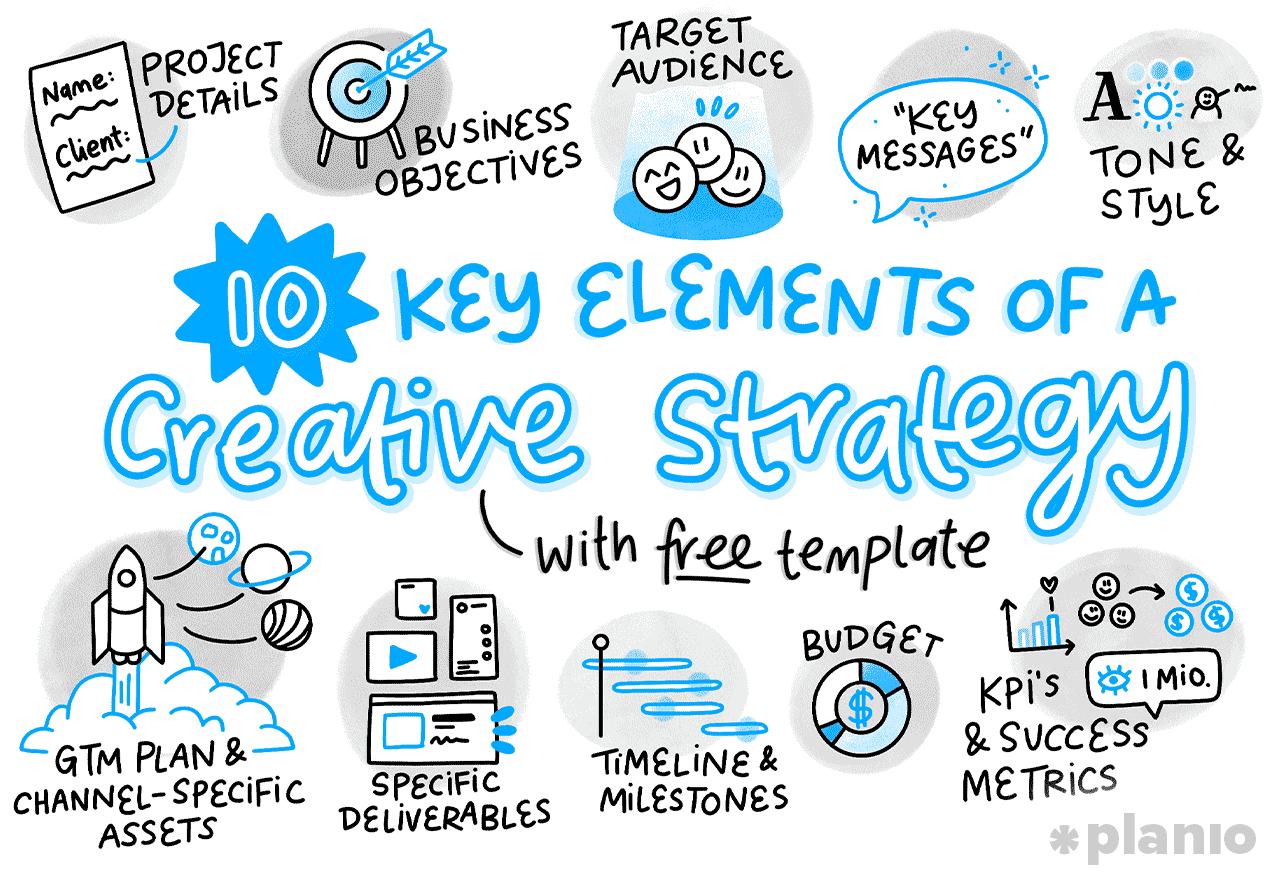
The 10 key elements of a creative strategy (with free template)
While every company’s or client’s creative strategy will look a little different, the key elements are often the same.
Let’s run through the most common elements of a creative strategy, bringing it to life with examples from fictional agency "Momentum Media," and their client "Aura Skincare":
1. Project details (if applicable)
If you’re working in a client-facing capacity, this section outlines the basics of who you’re working for and the specific project/strategy you’re supporting.
Agency example:
- Project name: Aura Skincare “Pure Radiance” Launch
- Client: Aura Skincare
2. Business objectives
Next, set the context by laying out what the business is trying to achieve. Is it a sales increase? Audience awareness? A change in sentiment or perception? Whatever it is, try to make it as specific and measurable as possible.
Agency example: Aura Skincare wants to achieve 5% of the market share in the premium organic skincare niche within 12 months and generate $250,000 in online sales in the first quarter.
3. Target audience
Now, establish a clear view of who you’re talking to. Go beyond basic demographics to focus on the audience’s values, pain points, and motivations.
Agency example: Eco-conscious millennials (28-40) who value transparency and natural ingredients. They are well-researched, willing to pay a premium for quality, and are active on Instagram and TikTok.
4. Key messages
What is the single most important thing we want our audience to know? This should be clear, concise, and compelling and directly align with the business objectives you’re trying to achieve.
Agency example:
- Primary message: "Sustainable luxury, naturally radiant."
- Secondary messages: "Vegan and cruelty-free ingredients you can trust," "Visible results, powered by nature."
5. Tone and style
Perhaps most importantly of all, your creative strategy needs to sound like your business. Define the personality of your campaign to guide all areas of your creative work, including copy and visuals.
Agency example: Clean, minimalist, authentic, and educational. The tone is warm and trustworthy. Visuals are bright, natural, and feature diverse, real skin.
6. GTM plan and channel-specific assets
If you’re launching new, what’s your go-to-market strategy? If you’re already in the market, what channels are you exploring to reach your audience?
Agency example: A digital-first approach focusing on Instagram (Reels, influencer collaborations), TikTok (educational content), and Pinterest (aspirational visuals). Supported by targeted search ads.
7. Specific deliverables
Any good project needs defined deliverables, and creative strategies are no different. List all the creative assets required to meet the strategy, including both internal and external assets.
Agency example:
- One 30-second launch video formatted for each target social platform
- 15 social media posts
- Three TikTok tutorials
- Campaign landing page
- A suite of digital display ads
A creative strategy is the “why” behind the “what” you’re creating.
8. Timeline and milestones
All strategies need a plan with dates to hit to support the business objectives. Break the strategy up into key phases, with milestones and critical deadlines where appropriate.
Agency example:
- Phase 1 (weeks 1–2): Strategy and concept
- Phase 2 (weeks 3–7): Creative production
- Phase 3 (week 7): Campaign launch
- Phase 4 (weeks 8-12): Optimization
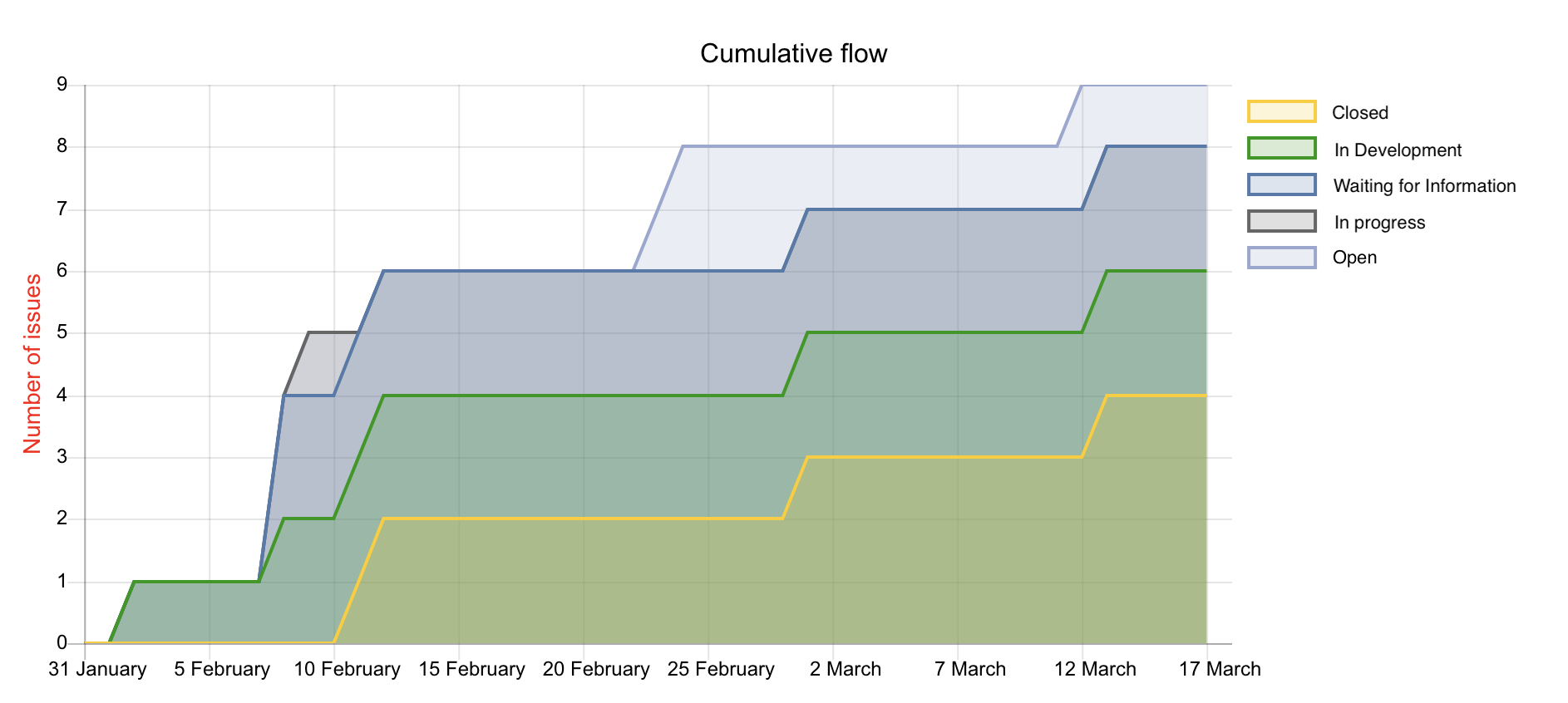
Pro tip: Use project management software to keep your creative projects on track. Planio includes powerful task management, roadmap tracking, and reporting tools to keep your entire team collaborating effectively and meeting deadlines.
9. Budget
Nothing comes for free, so define exactly how much you have to spend on your strategy. This is especially important for client-facing teams who are working to revenue and profit targets.
Agency example: $50,000 allocated for creative production (video, photography) and influencer fees. Media spend is separate.
10. Success metrics and KPIs
Finally, you need to define how you’ll know if you’ve succeeded with your strategy. Define the key performance indicators (KPIs) you’ll be tracking and what success looks like at each stage to help you stay on track and accountable.
Agency example:
- Landing page conversion rate of 3%
- Instagram engagement rate of 5%
- 1 million total video views across platforms
- A 20% increase in brand mentions
How to develop a winning creative strategy
Now that we know what a creative strategy is, why it’s important, and what it includes, it’s time to crack on with creating one for yourself.
Pro tip: Click here to follow along using our free Planio Creative Strategy Template.
Here are some steps you can follow to develop a strategy that sets your team up for success:
Define your business and campaign goals
A great creative strategy starts with a clear, business-linked goal. Before you think about creative concepts, you need to understand what the business needs to achieve, be that an increase in brand awareness, additional sales, or attracting new customers.
- Use the SMART goal-setting framework (Specific, Measurable, Achievable, Relevant, Time-bound) to create clarity and focus. Just saying "Increase online sales" isn’t that helpful, whereas saying; "Increase online sales by 15% in Q4" is a clear target everyone can work with.
- Meet with key stakeholders from teams such as sales, marketing, and product teams early on. Understanding their objectives is crucial for ensuring your creative work is aligned and will get the support it needs.
Understand your target audience
You can’t create compelling work if you don’t know who you’re talking to. Take the time to understand your audience to ensure the creative assets you create resonate and drive action. Generic profiles aren’t enough; you need real insights.
- Conduct user research with surveys, interviews, and focus groups to understand your audience’s needs, motivations, and pain points. Don’t just guess what they want—ask them.
- Develop detailed user personas. Create an ideal customer profile (ICP) including an example name, backstory, and personality. This makes them feel real and helps your team stay focused on creating for them, not for themselves.
Write a creative strategy statement
While it might seem pre-emptive, it’s good practice to write a first draft of your creative strategy statement early on. This is just one or two sentences that capture the essence of your campaign: the audience, the key message, and the desired outcome. Think of it as your campaign’s North Star that you’ll come back and refine later on.
- Keep your creative strategy statement simple and jargon-free. Think of this as an executive summary for your creative work. Anyone, from the CEO to a new intern, should be able to read it and understand the creative direction immediately.
- Make your statement actionable. The statement should be a filter through which you can pass all creative ideas. If an idea doesn’t align with the statement, it’s not the right idea.
Develop (and test) key messaging
From your V1 creative strategy statement, it’s time to add meat to the bones, starting with your key messaging. These are the core ideas you want to communicate, that need to match your tone and style and must be consistent across all channels to build a memorable narrative.
- Use your customer or client’s actual language. If you’re working on a project for a client, don’t make this up yourselves; get it from the customer. There’s a good chance they already have an established tone and style (even if it’s just in their head), so don’t waste time trying to reinvent the wheel.
- Make sure your messaging hits home. Run your messaging by a small group of people from your target audience (whom you spoke to in step #2) before you launch. This can help you spot any confusing language or unintended interpretations.
Establish a GTM and channel plan
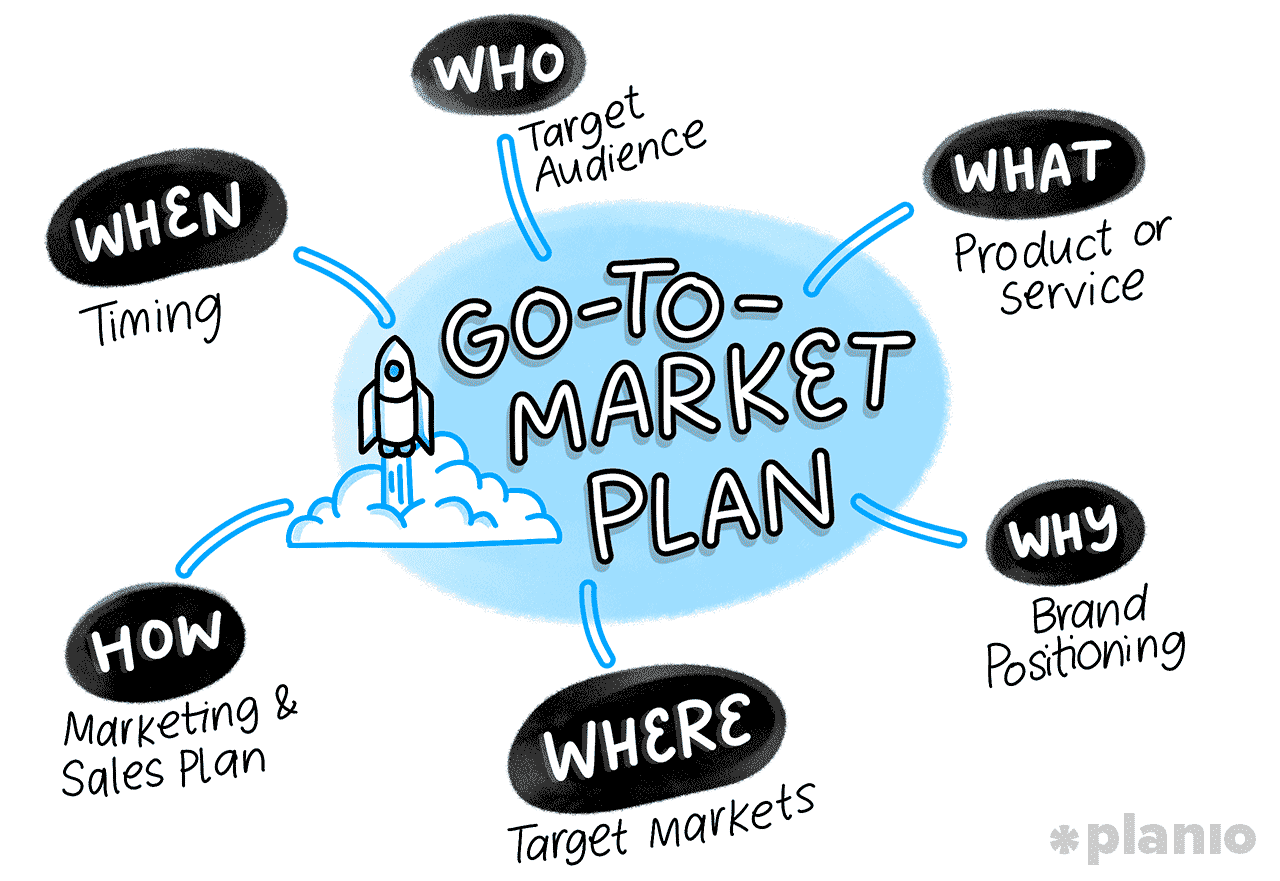
Your creative is only as good as its distribution. Your GTM (Go-To-Market) plan outlines which channels you’ll use to reach your audience and what role each channel will play. These might be brand new channels or a refresh of existing channels already in use.
- Go where your audience is. Don’t just default to the channels you’re most comfortable with. Use your audience research to identify the platforms where they are most active and engaged.
- Create a communication plan. Tailor your message and design for each channel. A video that works on YouTube won’t necessarily perform well as a TikTok. Adapt your messaging and format for the specific context of each platform.
Set your budget and timeline
Creative strategies need realistic timelines. A clear budget and timeline ensure that everyone is on the same page about the resources available and the key deadlines that need to be met.
- Always include a contingency buffer in both your budget and your timeline (we recommend 10-15%). Unexpected issues always arise, and having a buffer prevents small problems from derailing the entire project.
- Use your business goals to drive key creative timelines. Your business needs to hit a sales target by Q3? Make a plan that starts in Q1. Map out all the key milestones and dependencies to create a realistic project plan that your team can confidently execute against.
Choose your key success metrics
Defining your KPIs upfront is essential for proving the value of your team’s efforts and for knowing what’s working and what isn’t. Tracking KPIs also helps you change course if things aren’t working out how you hoped.
- Choose a mix of qualitative and quantitative metrics. Track hard numbers like conversion rates, but also monitor qualitative feedback like social media sentiment and customer comments.
- Focus on a handful of key metrics. It’s better to track a few meaningful KPIs closely than to get lost in a sea of data.
Save your strategy and plan your tasks in a project management tool
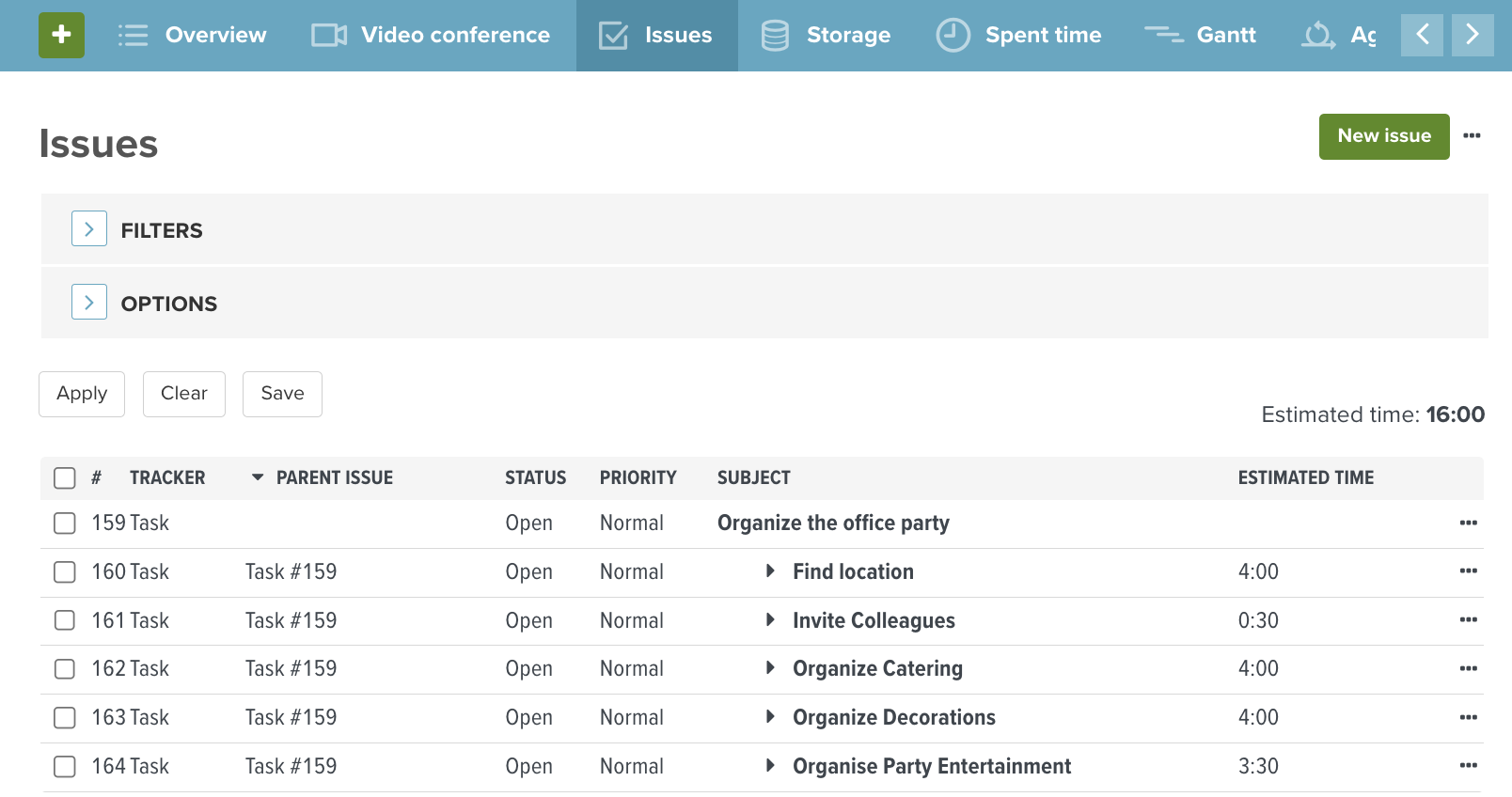
Once your strategy is written and approved, it’s time to turn it into an actionable plan. A project management tool like Planio allows you to break down the strategy into concrete action items, assign them to team members, and track progress against your timeline.
- Break down large deliverables into smaller, manageable tasks. "Create launch video" is a huge task. "Write video script," "Scout locations," and "Edit first cut" are actionable steps.
- Use your project management tool to centralize all communication and feedback. This prevents important details from getting lost in email threads and ensures everyone has visibility into the project’s status.
Creative strategy examples: 3 real-world case studies
Creative strategies will vary greatly by your company, client, goals, and creative style. Here are a few fictional creative strategy summaries to show you how you might present a simplified version of your strategy to key stakeholders:
Case Study #1: "WanderMore’s" Holiday Ad Campaign
- Goals: Increase holiday package bookings by 20% year-over-year and grow brand awareness among families.
- Strategy statement: To inspire busy families to reconnect and create lasting memories by showcasing WanderMore’s hassle-free, all-inclusive holiday packages.
- Audience insights: Parents aged 30-45 who are overwhelmed by the stress of planning family vacations. They value convenience and experiences over material things.
- Messaging/tone: "Your family adventure, simplified." The tone is warm, reassuring, and aspirational.
- Creative channels & deliverables: Facebook and Instagram video ads targeting parents, a partnership with 3 family travel bloggers, and an interactive "Dream Holiday" quiz on the website.
- Budget: $100,000 for media spend and content creation.
- Timeline: 8-week campaign duration running from October to November.
- KPIs: Cost per booking, website traffic from social channels, and quiz completion rate.
Case Study #2: "Urban Threads’" New Clothing Launch
- Goals: Sell out the new limited-edition sneaker collection within the first week of launch and increase Instagram followers by 25%.
- Strategy statement: To generate hype and urgency around the "Urban Threads Evo" sneaker by positioning it as an exclusive must-have item for Gen Z consumers.
- Audience insights: Gen Z (18-25) fashion enthusiasts who are early adopters, influenced by streetwear culture, and highly active on TikTok and Instagram.
- Messaging/tone: "Define your style. Don't follow it." The tone is bold, exclusive, and confident.
- Creative channels & deliverables: An Instagram campaign featuring unboxing videos from fashion influencers, with a launch countdown using Reels and Stories, and an exclusive pre-order link for followers.
- Budget: $30,000 for influencer collaborations and social media ads.
- Timeline: 3-week campaign leading up to the launch day.
- KPIs: Sell-through rate, follower growth rate, and engagement rate on influencer posts.
A strong creative strategy does more than just justify subjective work; it connects your team’s creativity to real, measurable business goals.
Case Study #3: "Paws & Hope’s" Donation Drive
- Goals: Raise $50,000 for a new animal shelter and gain 100 new volunteer sign-ups.
- Strategy statement: To drive donations and volunteer sign-ups by telling the powerful, emotional stories of rescued animals and the direct impact Paws & Hope has on their lives.
- Audience insights: Animal lovers of all ages in the local community. They are motivated by empathy and a desire to make a tangible difference.
- Messaging/tone: "Be their hope." The tone is heartfelt, urgent, and empowering.
- Creative channels & deliverables: A series of short, emotional video profiles of rescued animals for social media, a direct mail campaign to past donors, and a local PR push featuring a success story in the local newspaper.
- Budget: $5,000 for video production and ad boosting.
- Timeline: 4-week campaign duration.
- KPIs: Total funds raised, number of new donors, and number of volunteer applications.
Final thoughts: Don’t fall for these common creative strategy mistakes
A strong creative strategy does more than just justify subjective work; it connects your team’s creativity to real, measurable business goals.
However, it can be easy to fall into common traps when creating one. Be mindful of these mistakes when forming your first strategy:
| Problem | Solution |
|---|---|
| Focusing too heavily on aesthetics. The strategy should guide the look and feel, but not at the expense of the core message and business objectives. | Always start with the “why” (the goal) before moving to the “how” (the creative execution). |
| Creating strategies in isolation. A creative strategy developed without input from marketing, sales, or product is doomed to fail. | Make it a collaborative process from the start. Involve key stakeholders to ensure buy-in and alignment. |
| Using vague audience profiles. Describing your audience as "millennials" is not an insight. It’s a demographic. | Dig deeper. What do your audience care about? What challenges do they face? Create personas that feel like real people. |
| Not revisiting the strategy. A creative strategy is not a "set it and forget it" document. It should be a living guide for your campaign that gets updated as more information and learnings emerge. | Schedule regular check-ins after launch to review performance data and be prepared to adjust your strategy based on what you’re learning. |
| Treating it as a formality. Rushing through the strategy just to "tick a box" undermines its entire purpose and leads to generic, ineffective creative. | Treat the strategy as the most important part of the creative process. Give it the time and attention it deserves. |
To help you stay organized, productive, and on-strategy, make sure you’re using a project management tool your entire team can access.
With Planio, you get all of the tools you need — from centralized document storage and Wikis to house your creative strategy, to powerful task management, Agile metrics, and reports to help you measure progress.
Try Planio with your own team, free for 30 days (no credit card required!)